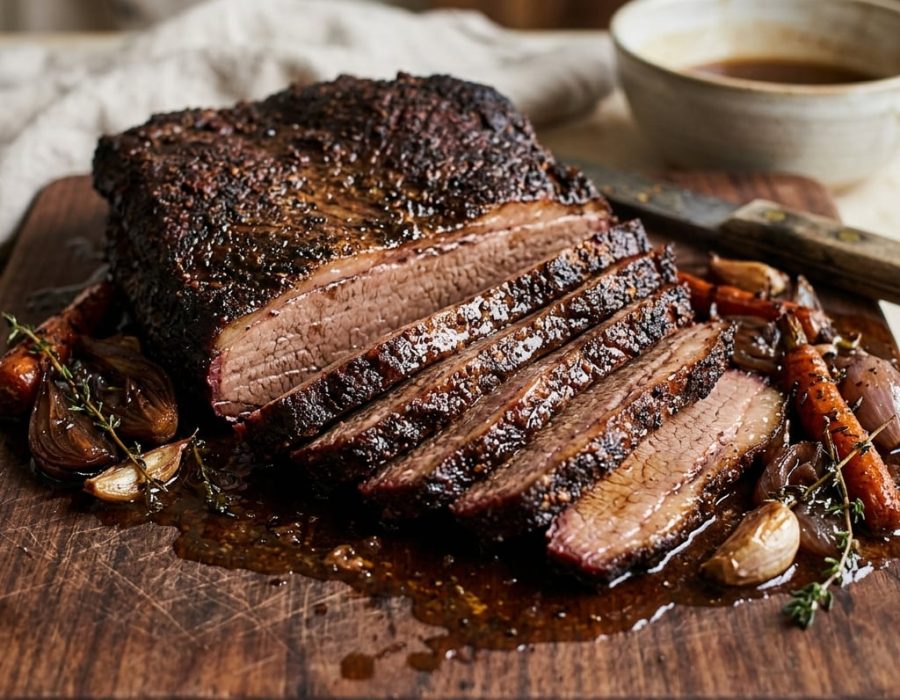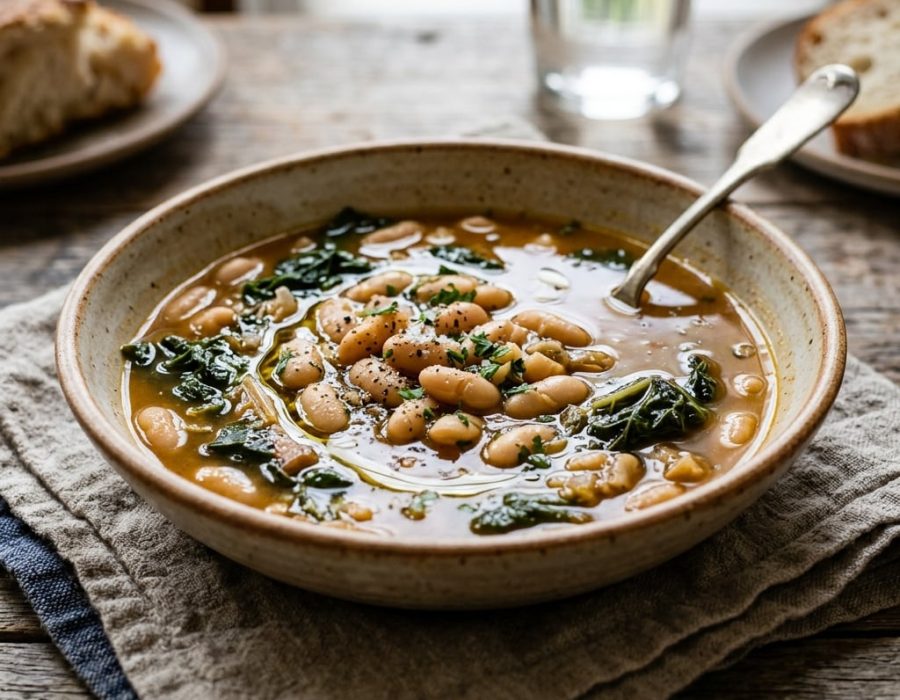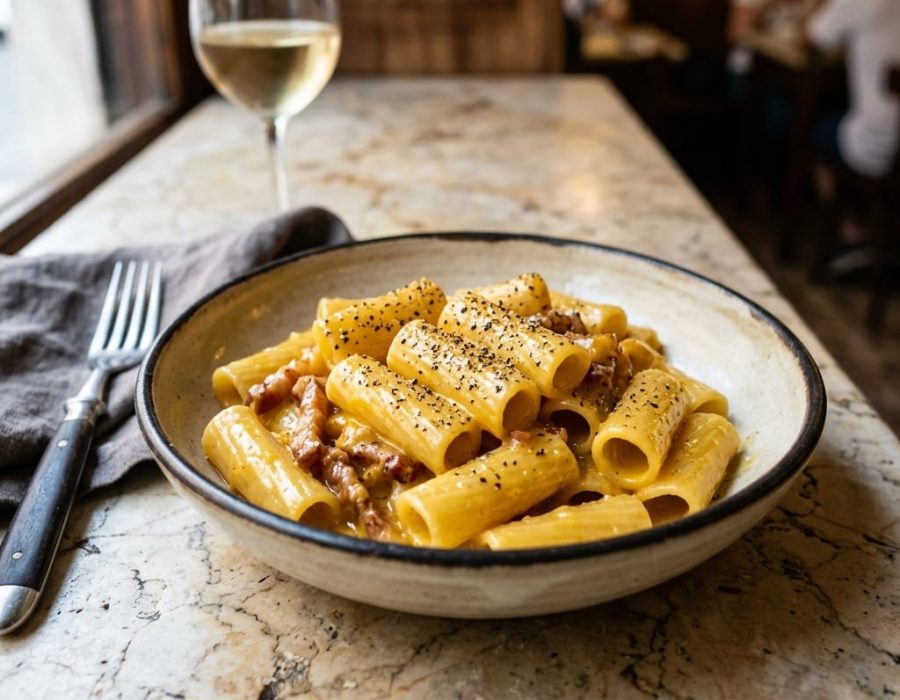
The other half is the dish itself — where it comes from, how it traveled, why a single small detail makes the whole thing work. We cook each one many times before we publish. We note the misses, weigh the variations, write down the why. What ends up here is what survives the test.
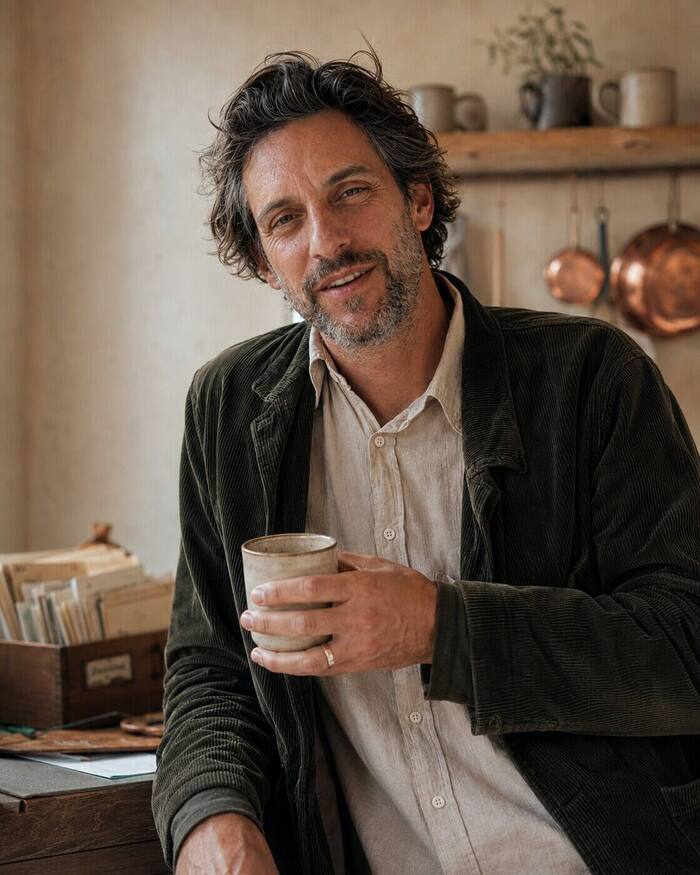
— Morgan Hale, founder · for the team
A croissant in cross-section. Twenty-seven layers, made yesterday at noon. A croissant cross-section is, at its best, a record. Of fifteen or twenty invisible decisions made twelve hours…
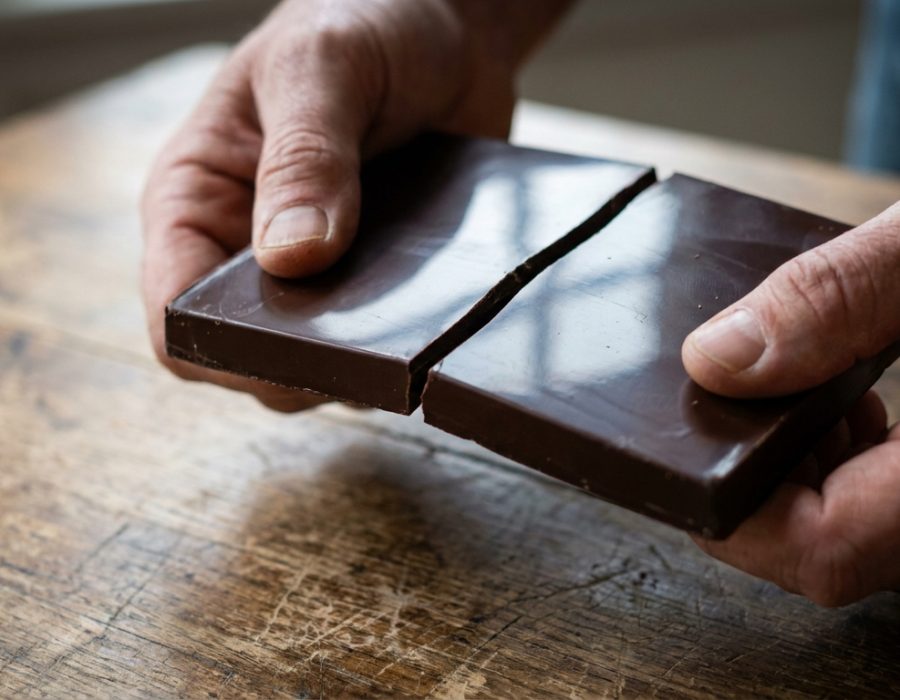
Tempering is the most common instruction in chocolate work, and the least explained. Melt it, cool it, warm it back up, the recipe says, with the confidence of…
A béchamel in the third minute of its simmer. Photograph, the kitchen pass. There is a particular kind of cook — usually self-taught, often ambitious — who collects…
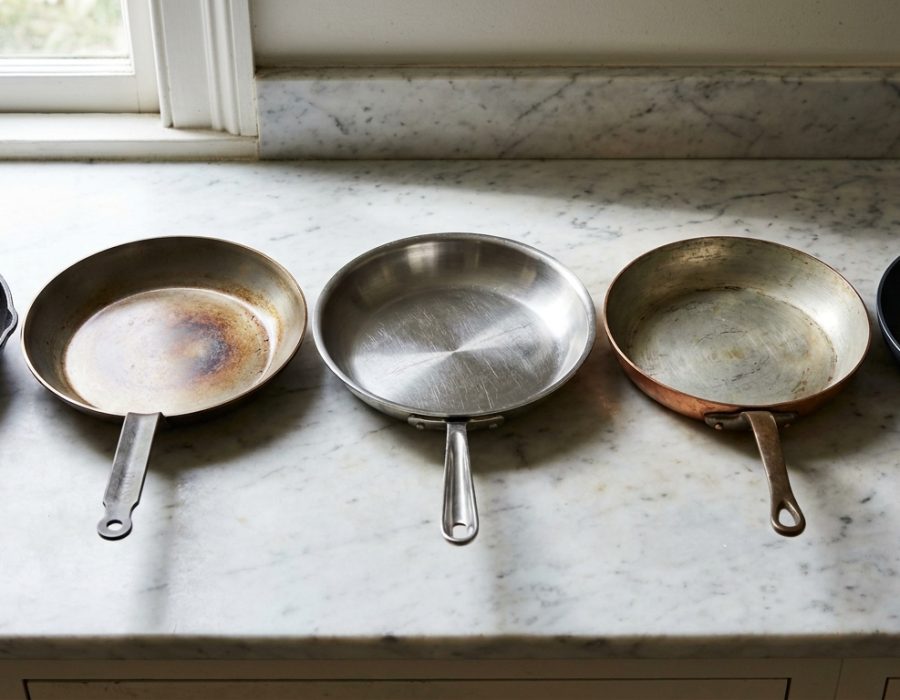
Stand at a working stove for a service and watch which pan a cook reaches for. Steak goes in the heavy black skillet that has been sitting on…
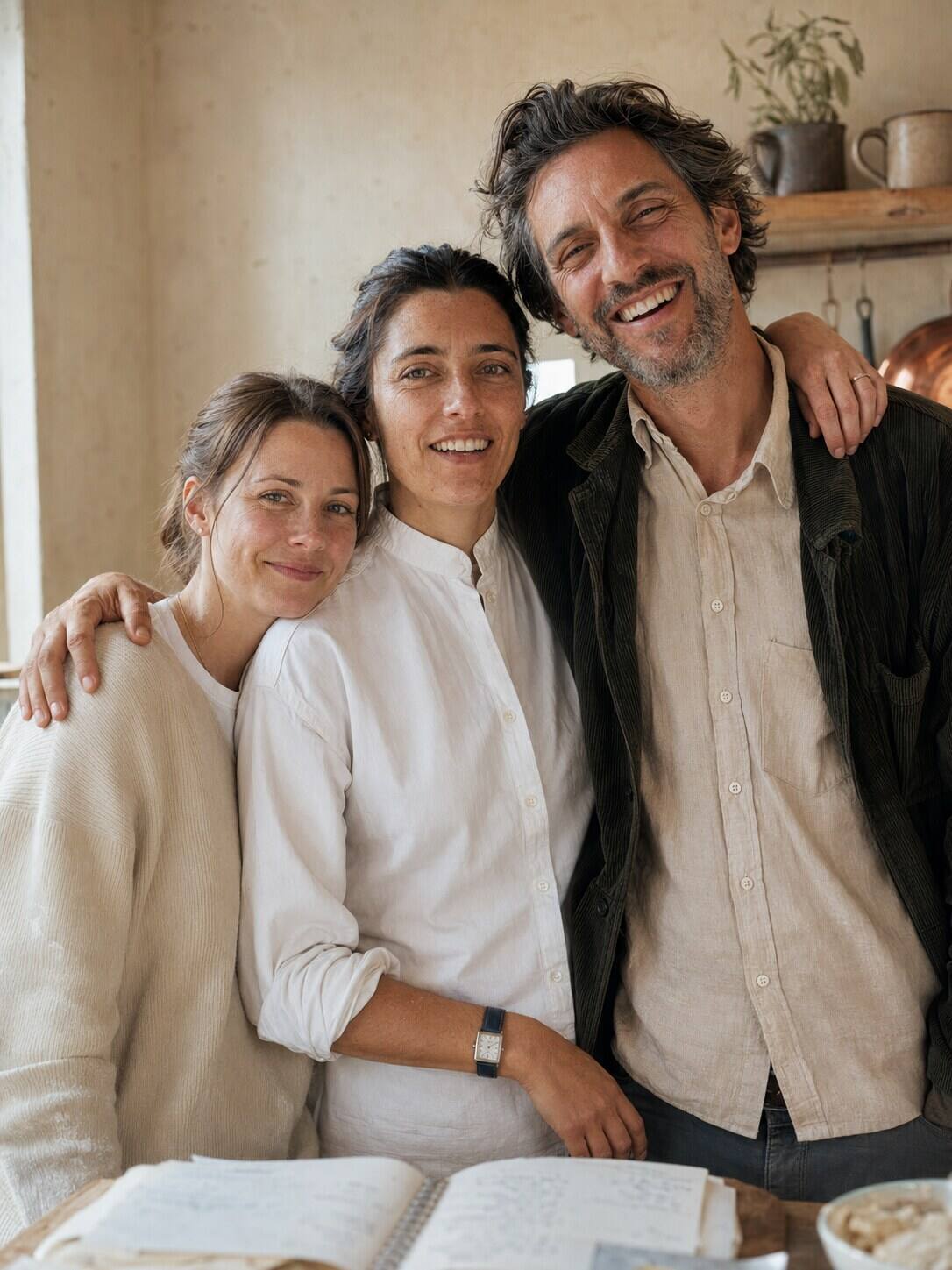
Different kitchens, different hands, the same patience. Each dish that lands here passed through all of us before going to print.
Trained in restaurant kitchens, ran a private supper club for four years, started writing because nobody was answering her own questions in print. Now she edits everything that goes out the door.
Half archaeologist, half line cook. Spent a decade tracing dishes back to where they came from — Sichuan, Naples, Oaxaca, Tbilisi. Writes about how a recipe travels and what it loses on the way.
Trained at Ferrandi, then six years on the bench across three bakeries — Paris and Lyon. Believes every dessert is a test of patience, and that the recipe should explain why, not just how.
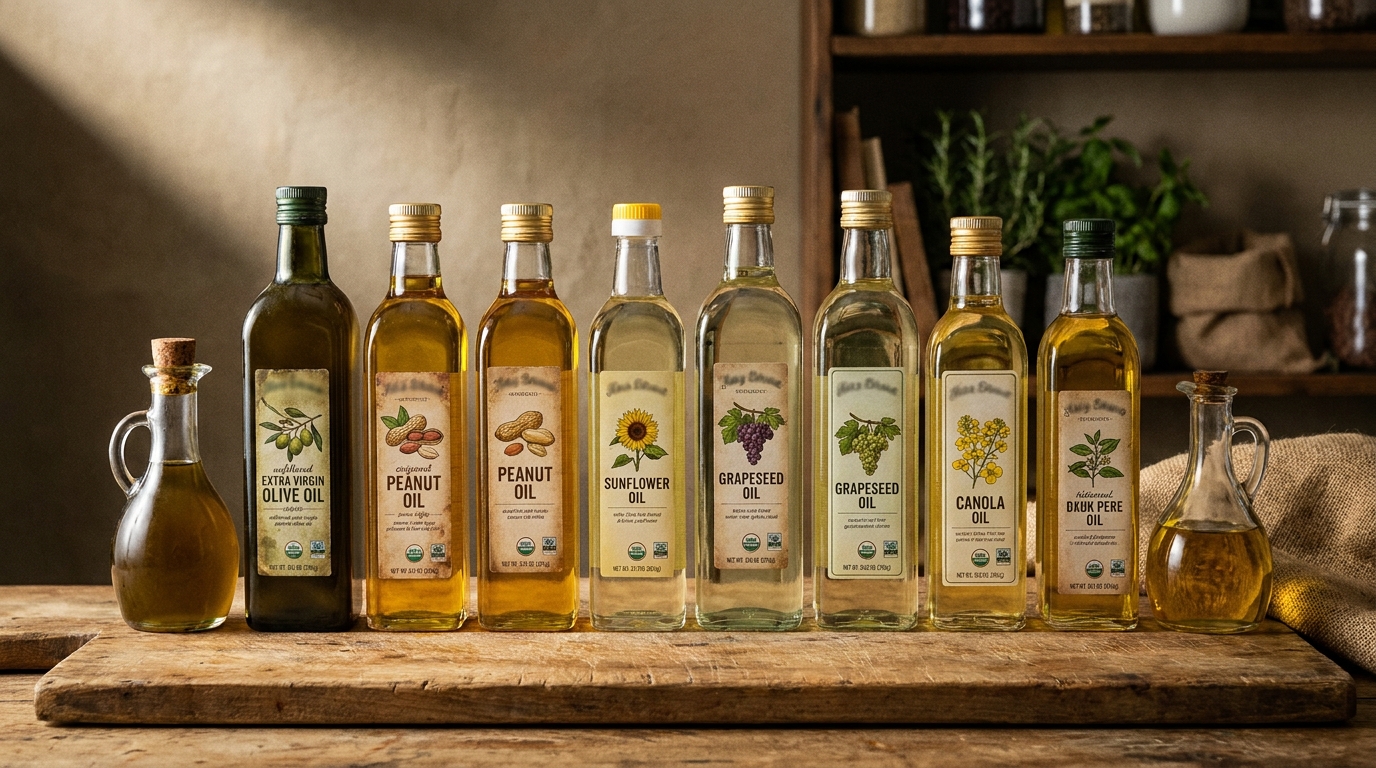
You have heard the rule, probably more than once, probably from someone who sounded sure: don’t cook with olive oil, its smoke point is too low. Use something…